From Non-Verbal Beginnings to Finding a Voice: A Journey of Hope in Speech Pathology

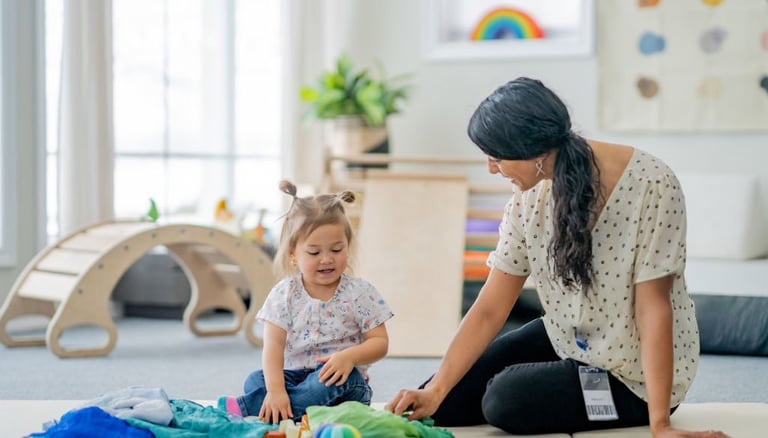
Every child’s path to communication is different. Some find their voice quickly, while others take smaller, slower steps that are no less powerful. This is the story of a young child in Melbourne who began therapy as non-verbal, with suspected autism and developmental delay — and who is now making beautiful progress through the support of family, play, and speech pathology.


Speech Pathologist: Pauline
Speech Pathology Aide: Chloe
Client: Noah (name changed)
Current Age: 4 years old
Treatment time: 4 months
Presenting concern: Non-verbal

Spontaneous words and short phrases like “help me,” “thank you,” colour names, “1 2 3 go,” parts of songs, counting.
Started with only “papa”.
May 2025:
First imitations (“uh oh,” “bye bye”)
Evidence of Spoken Words and Phrases
June 2025:
July - August 2025:
September 2025:
independently counted from 1–10, imitated animal sounds, and used imaginative play language (“help me” with toys).
The First Steps:
At the beginning of therapy, the child used only a handful of sounds and single words. Communication was mostly through gestures or behaviours, and play often looked more like destruction than engagement. He preferred to be in his own world, and his parents worried deeply about his future.
Building Connections Before Words:
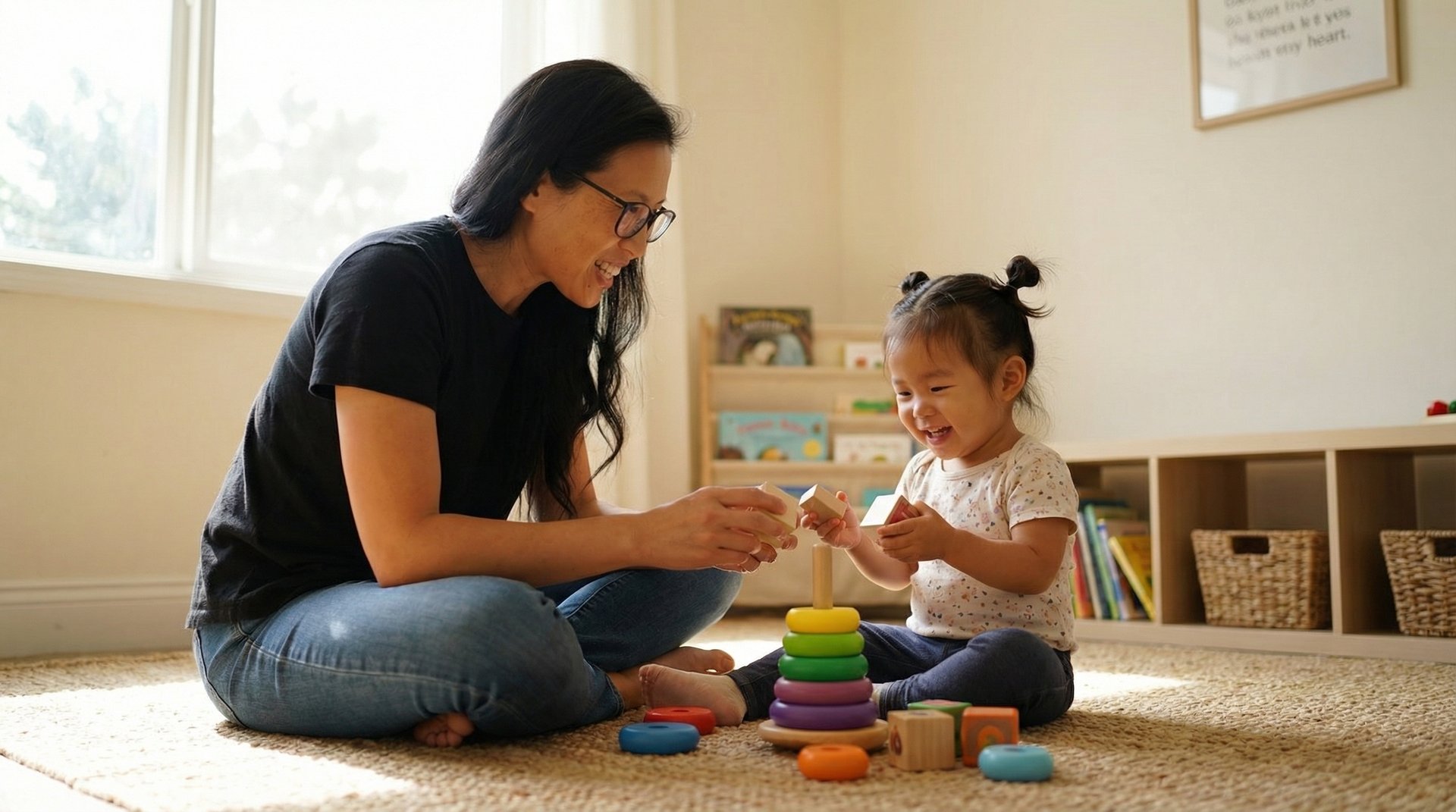
Therapy began not with words, but with connection. Through ball games, block towers, and playful chasing, he learned that play could be shared. A breakthrough came when he imitated “uh oh” for the very first time. Soon after, he waved and said “bye bye.” These tiny moments lit the way forward.
The Role Play and Sensory Exploration
Sensory play became the bridge to learning. Rice bins, marbles, balloons, and simple turn-taking games unlocked joy and attention. He began experimenting with sounds, laughing with others, and even imitating animal noises and songs. Pretend play emerged, too — making dinosaurs roar or stirring “pretend cooking” with a spoon.
Words Begin to Bloom:
From those first imitations grew a stream of new words and short phrases: “help me,” “thank you,” colour names, counting from one to ten, and parts of songs like “Happy Birthday.” He even started using words meaningfully in play, such as telling a toy “help me” during a game.
Overcoming Challenges:
There were still hurdles: strong emotions, sensory sensitivities, and difficulties with transitions. At times, he would hyperfixate on marbles or struggle with frustration. But with every session, the meltdowns lessened, the engagement grew, and the words became clearer.

A Growing Voice:
Today, this child may not yet be fully conversational, but he is no longer “non-verbal.” He has a growing vocabulary, uses short phrases, imitates songs, and engages in meaningful play with others. Most importantly, he has discovered the joy of being understood — and his parents have discovered hope.