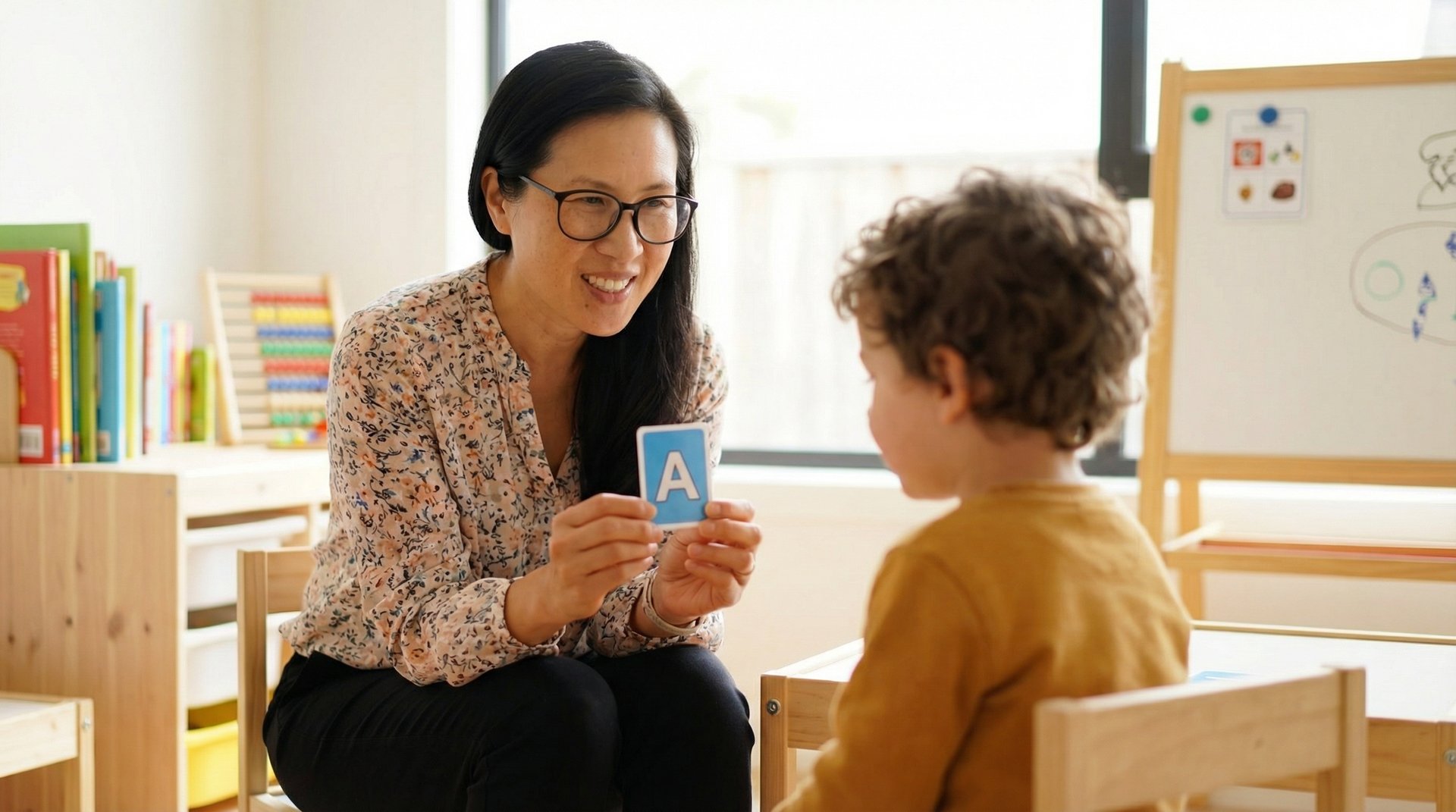
From Non-Verbal to Finding His Voice: A Journey of Hope

When families first visit a Melbourne speech pathologist, many are filled with uncertainty. If a child begins life as non-verbal, parents often wonder: Will my child ever speak? The journey can feel daunting, but stories like this remind us that progress is possible — one word, one phrase, one step at a time.


Speech Pathologist: Pauline
Speech Pathology Aide: Katherine
Client: Harry (name changed)
Current Age: 6 years 6 months
Treatment time: 4 months
Presenting concern: Non-verbal



2025: First Imitations
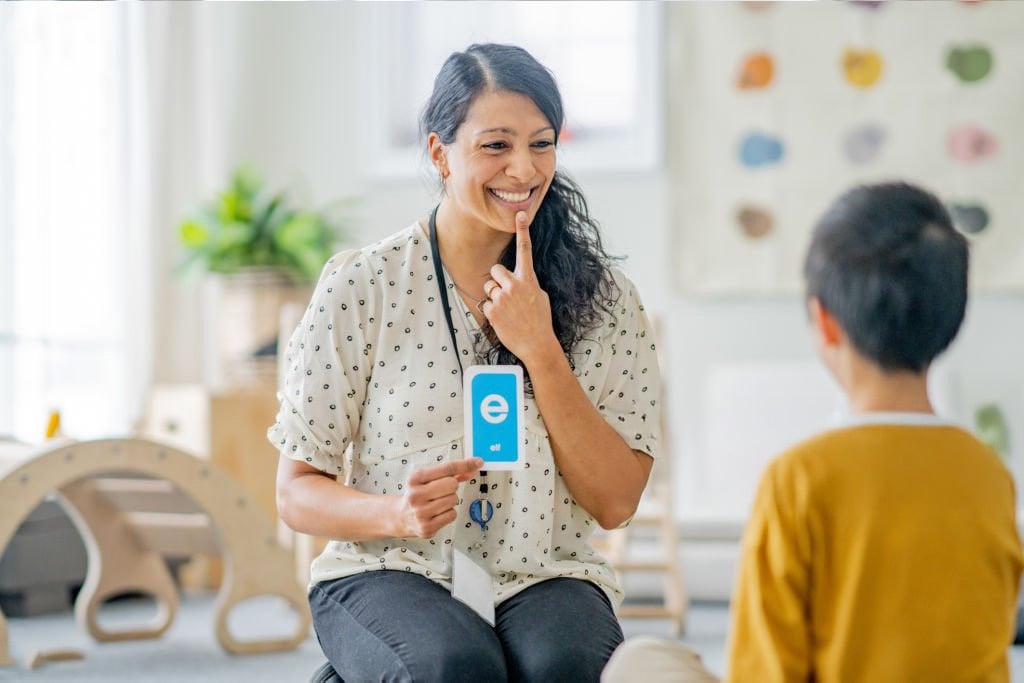
By June, the first imitated words appeared, including “uh oh” and “bye bye.” These early attempts marked a turning point — from silence into sound. A simple gesture (an open palm for “open”) became a bridge between non-verbal and verbal communication.
Sentence length: single words with emerging two-word combinations, such as “new sticker.”
Client: 6 years 2 months
In May, spoken language consisted of just one word: “papa.” At this point, the child was considered non-verbal, and communication relied mostly on gestures and play.
Sentence length: single words only.
2025: A Single Word
2025: Building Phrases
In July, vocabulary grew to include functional words like “please” and short phrases such as “help me.” Colour names, counting (“1, 2, 3, go”), and parts of songs began to appear.
Sentence length: 2–3 word phrases, often within play (e.g., “Go in again,”“Put it in the cup?”).

2025: Social Words and Short Sentences
By August, social expressions like “sorry,” “thank you,” and “more please” were used with growing confidence. Longer sentences also emerged, including emotional expressions such as “When I am sad, I sing.” Teachers noticed this progress and shared positive feedback, recognising that words were beginning to make a difference in the classroom.
Sentence length: 3–4 word sentences emerging, though often with prompting.


2025: Speaking at School
Client: 6 years 6 months (4 months later)
In September, there was a breakthrough. The child could count from 1 to 10 independently, use playful language in imaginative games (“help me”), imitate animal sounds, and clearly express wants (“I want to sleep,” “I want playdough”). At school, teachers were thrilled to report that “please” and “thank you” were now used without prompting — a milestone in communication and confidence.
Sentence length: 3–4 words independently in structured and play-based contexts, though not yet conversational.

The Bigger Picture
The journey is ongoing. Speech is not yet fluent or conversational, and pronunciation can still be unclear. But from being non-verbal in May to producing dozens of words, phrases, and short sentences by September, this progress shows the power of persistence and support.


This story is a reminder to every family raising a non-verbal child:
One word can grow into phrases.
Phrases can grow into sentences.
With the right support from a dedicated Melbourne speech pathologist, children can find their voice in their own time.
Every word matters. Every attempt counts. And every milestone — whether whispered, shouted, or sung — is a victory worth celebrating.