
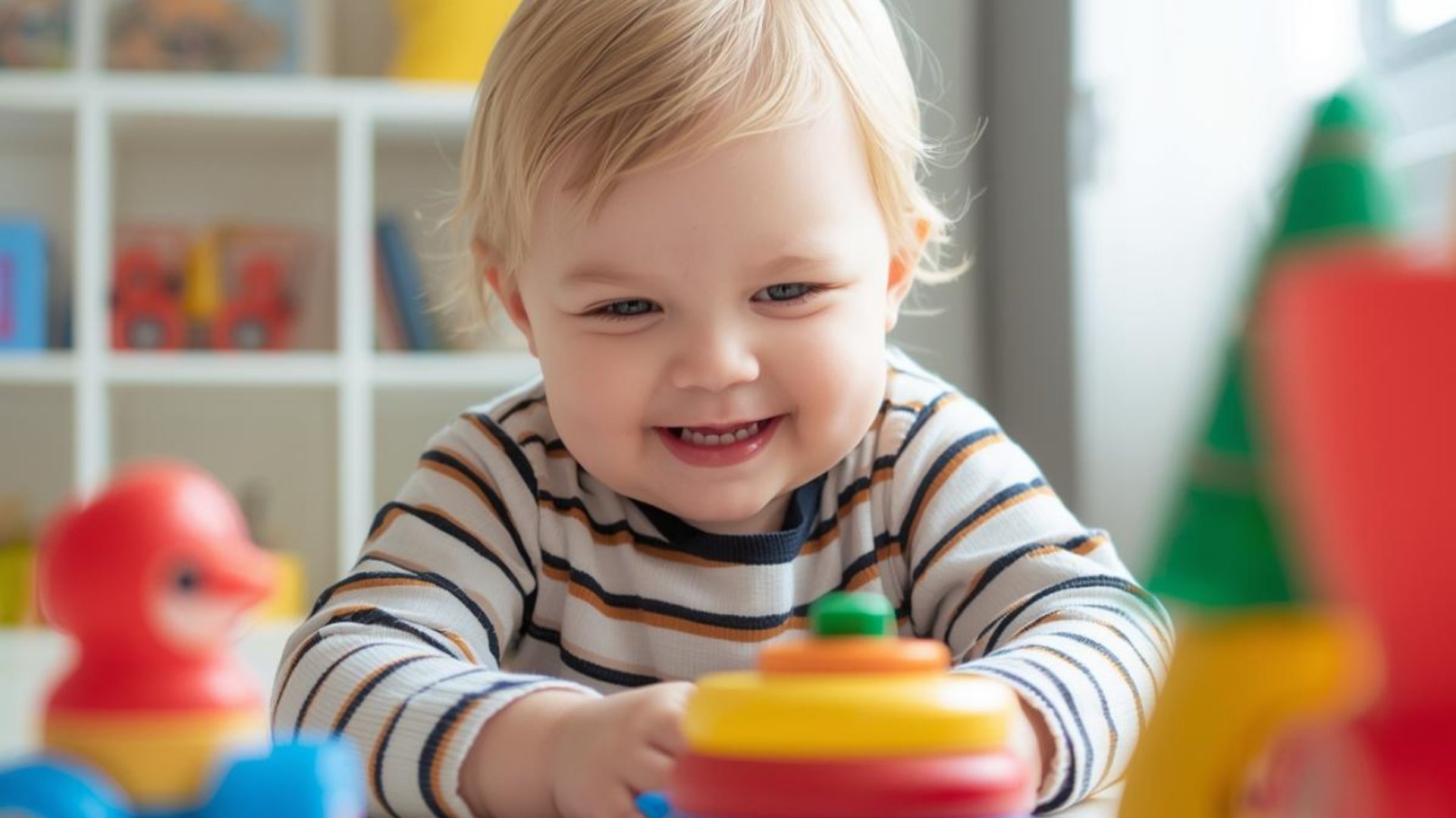
Step 3 - I Can Stick Around
Child loses focus quickly? Step 3 explains how building attention through play helps children stay engaged longer and supports language development.
STEP 3

Does your child notice you but quickly move on?
Step 3 focuses on helping your child stay with you for a little longer during play or interaction. This might mean staying for a few extra seconds, waiting during a pause, or remaining engaged just a bit longer than before.
Children do not need long attention spans to learn language. They only need small, shared moments that slowly stretch over time. When children can stay with you for a few extra seconds, their brains have more time to process, learn, and connect meaning.
What research tells us?
Research shows that children who are able to sustain attention for longer periods tend to develop stronger thinking skills, better self-control, and stronger language. Attention gives the brain time to make connections, remember information, and learn from interaction.
Sustained attention is not about sitting still or focusing perfectly. It develops naturally through enjoyable, shared activities where children feel calm, interested, and safe.



What activities can you do?
Attention grows best through movement and play. Dance together and pause when the music stops, then start again. Over time, gently extend how long you dance or wait together. These small pauses help your child practise staying engaged.
Sliding play is another great option. Pause at the top and wait before saying “ready, set, go”. That shared waiting builds attention and anticipation. Simple arts and crafts, such as drawing, painting, or gluing together, also support staying together in a calm, shared way.
Follow your child’s lead and keep activities enjoyable. The goal is not to demand focus, but to invite your child to stay just a little longer.


Watch the YouTube Series and Download the Free Guide
In this video, we explain Step 3 of the 10 Steps to Talking and show how to build attention through simple, movement-based play. Watch below to see how small changes can help your child stay engaged and ready to learn.