
Step 6 — I Know What That Means
Child understands but isn’t talking yet? Step 6 explains why understanding words comes before speaking and how everyday routines help children learn what words mean.
STEP 6
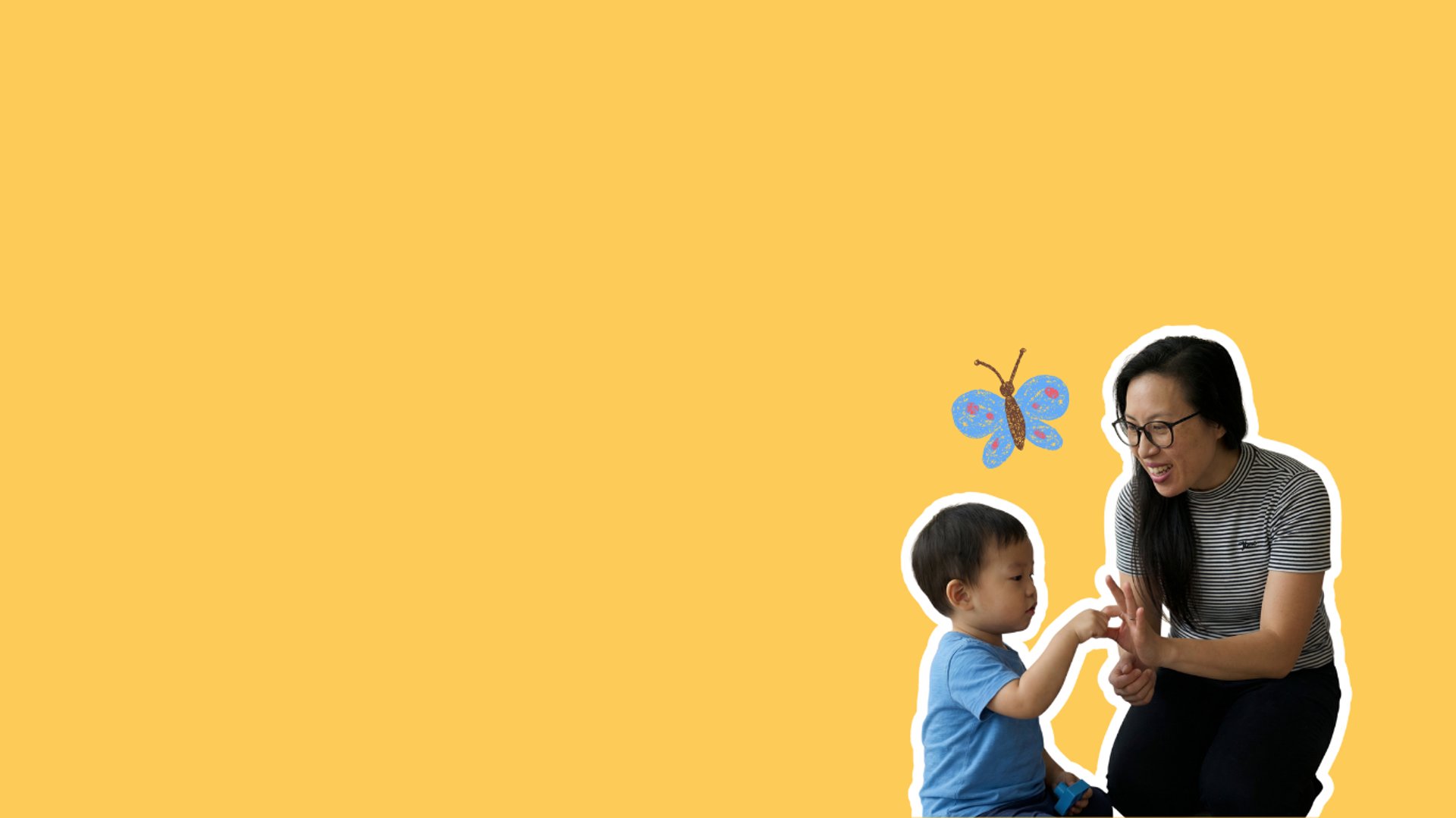
It can be worrying when children are not using many words yet.
But understanding often comes first.
Many children know far more than they can say. They show it through their actions, their responses, and the way they react to familiar words. This stage is not a setback. It is a crucial part of how language develops.
Before children can use words, they need to understand what words mean. Words are symbols for actions, objects, and ideas, and children learn their meaning through real experiences.
What research tells us?
Research shows that understanding, also known as comprehension, develops before speech. Children who understand words early, even before they can talk, tend to learn new words faster later on. In other words, comprehension drives expression.
In conversation, one person speaks, the other understands, and then responds. Understanding must come first. When children know what words represent, their own sounds and attempts at communication begin to carry meaning.
This is why speech therapy does not start by asking children to repeat words. It starts by helping words make sense.

What activities can you do?
You can support word understanding through simple, repeated routines.
Use movement to teach meaning. Say “up” as you lift your child or raise a toy, then pause. Say “down” as you lower them. Repeat this often so the word is clearly matched to the action.
Use everyday objects to show how words cause things to happen. Say “open” as you open a door, book, or box. Pause. Then say “shut” as you close it. Let your child see that the word predicts what happens next.
Build understanding through routines. During bubbles, snacks, or play, say “more” before offering another turn, and “stop” when pausing. Use “in” and “out” while tidying toys or playing with containers. Add motivating social words like “help” and “go” during play and movement.
Your child does not need to say the word. Any response shows learning.


Watch the YouTube Series and Download the Free Guide
In this video, we explain Step 6 of the 10 Steps to Talking and show how everyday routines help children understand what words mean before they are ready to say them. Watch below to see how simple moments can build understanding and prepare your child for speech.