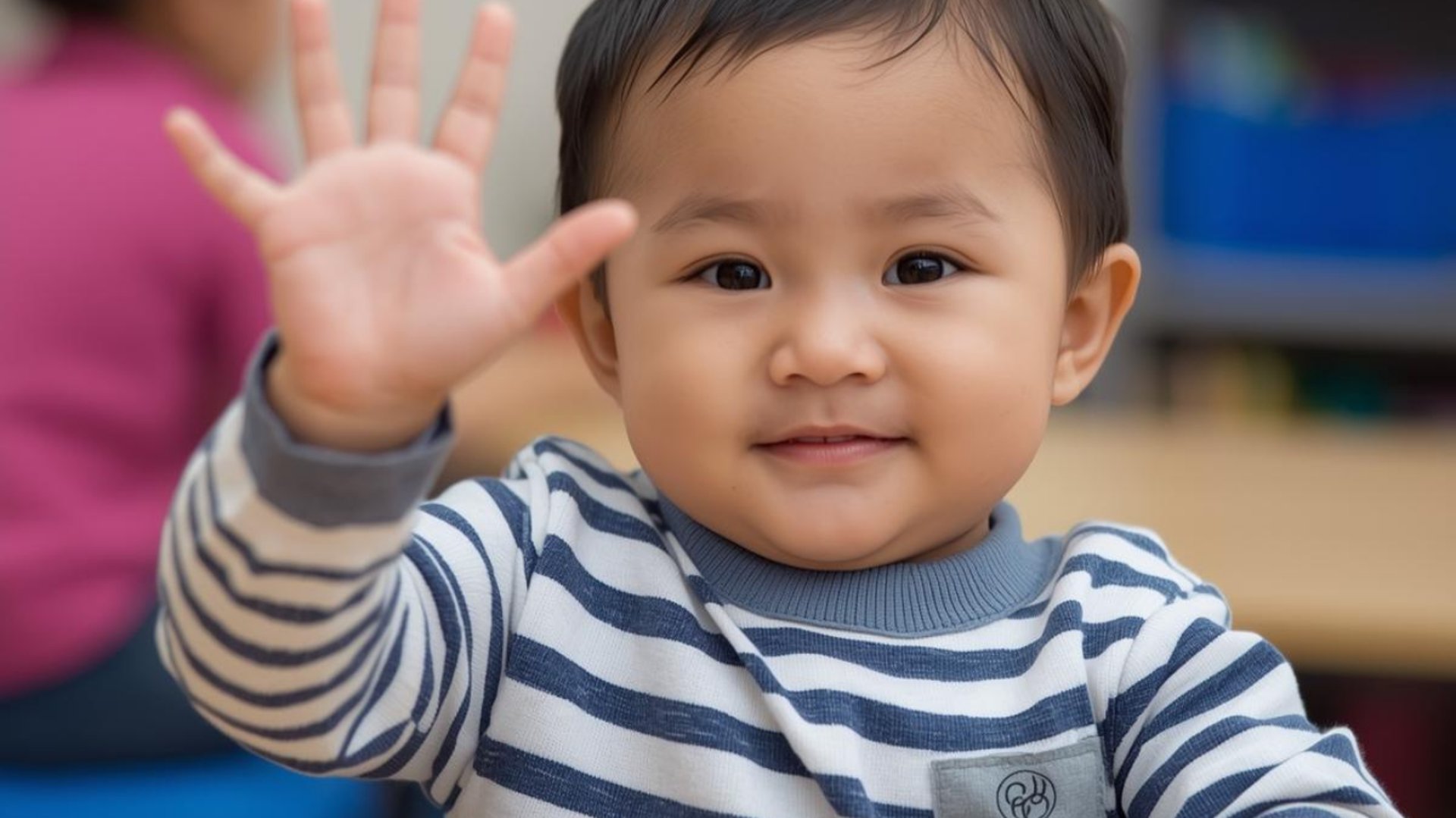
Step 8 — I Can Show You What I Mean
Step 8 explores how pointing, showing, and reaching are early forms of communication and how gestures help children develop spoken language.
STEP 6
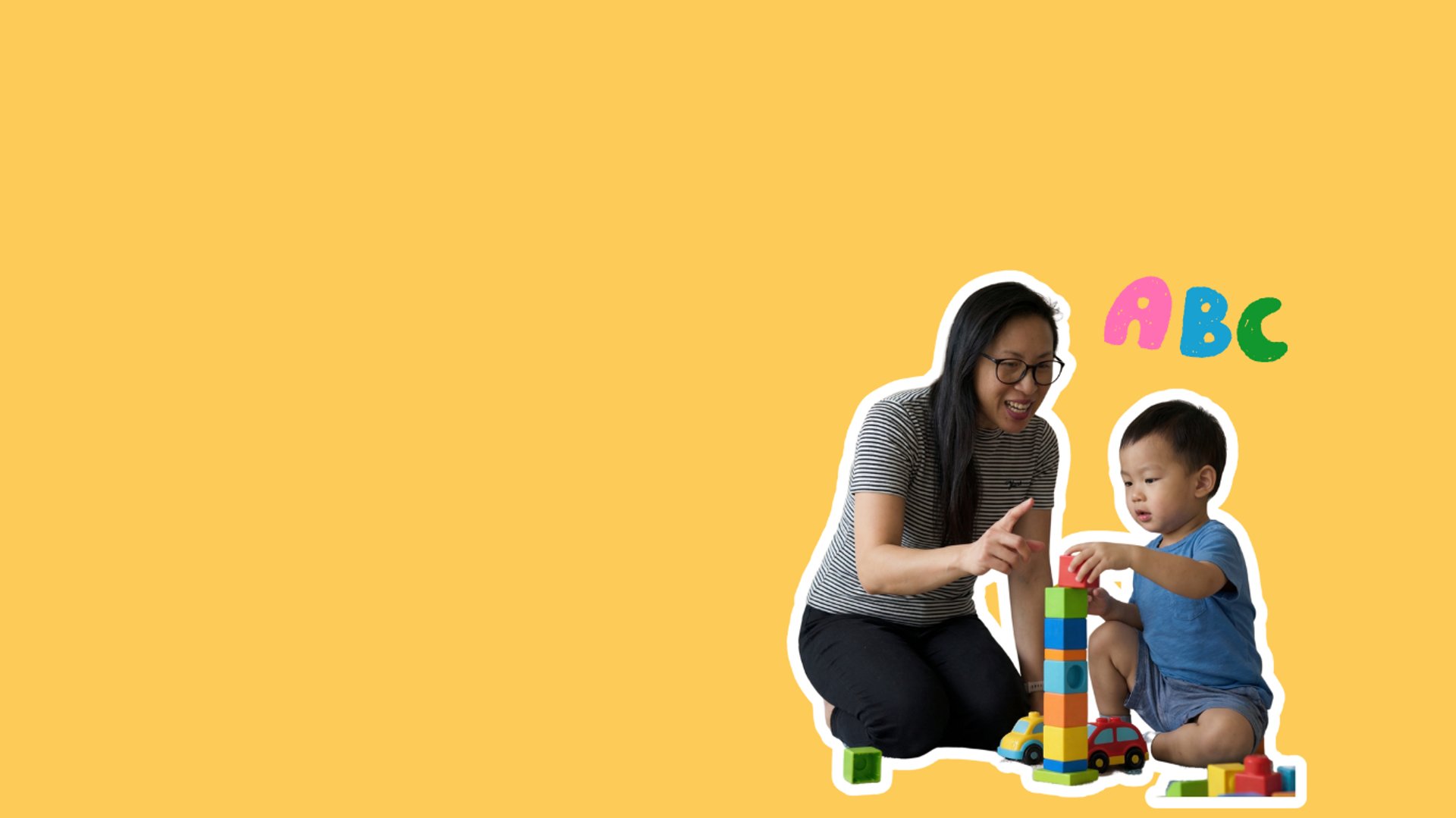
Does your child point, reach, show you objects, or pull you towards something they want?
That is communication.
Before children use words, they often use gestures to send a message. Pointing to a toy, holding something up to show you, giving you an object, or reaching with intent are all early forms of communication. These actions show that your child understands they can share meaning with another person.
Step 8 focuses on strengthening these gestures and responding to them in a way that builds the pathway to speech. When gestures are recognised and responded to, children learn that communication works.
What research tells us?
Research shows that children who use more gestures early on tend to develop spoken language faster later. Gestures and speech use overlapping areas of the brain, which means every gesture strengthens the same communication pathways that will later support words.
Gestures also help children practise turn taking, shared attention, and cause and effect. When a child points and an adult responds, the child learns that their actions influence others. This is a powerful foundation for conversation.
Gestures are not a substitute for speech. They are a bridge towards it.


What activities can you do?
You can encourage gestures naturally during play and routines.
Hold bubbles or snacks slightly out of reach so your child needs to point, reach, or look to request them. Use wind-up toys and pause before activating them, waiting for your child to show interest.
Model gestures yourself. Wave and say “bye bye”. Point and label an object. Show and give items during play. Pair gestures with simple words such as “ball”, “up”, or “more”.
Respond warmly to every attempt. Even a small reach or glance counts. When children learn that gestures get results, they are more likely to use them again.


Watch the YouTube Series and Download the Free Guide
In this video, we explain Step 8 of the 10 Steps to Talking and show how gestures build the foundation for speech. Watch below to see how everyday play can help your child move from showing… to saying.